
When choosing commercial washing machines, it’s natural to focus on how much laundry you need to process. But is it better to have one large machine or two smaller ones?
In this article, Ben Donaghy, Business Development Manager at JTM Service, looks at the advantages of different washing machine sizes and configurations, and what to consider when choosing the best equipment for your laundry.
Which size of machine is better?
It’s not always straightforward. For larger laundries, the choice might be between a few very large machines and several smaller ones. There are advantages to both approaches, so here are seven things I’d consider.
1. What types of laundry are you washing?
If you’re regularly processing large quantities of similar items, fewer larger machines may be the most practical option. However, if you’re washing a mixture of different items or need to process smaller loads separately, having more machines can provide greater flexibility. For example, some care homes wash residents’ personal clothing separately, which can make smaller machines particularly useful.
2. Reliability and breakdowns
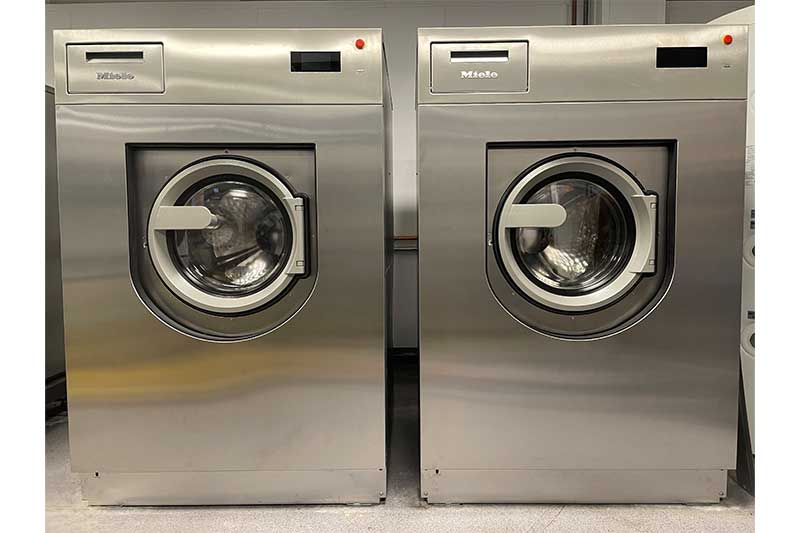
Having multiple machines means you’re less reliant on any one washer. For example, if you have one 30kg machine and it breaks down, you’ve lost all your washing capacity. With three 10kg machines, if one breaks down, you still have 20kg of capacity available to keep the laundry running. Regardless of how many machines you have, having a good service and maintenance plan in place, with prompt engineer response times and access to replacement parts, is important to minimise downtime.
3. Different load sizes
Having a mixture of machine capacities can be useful, allowing you to process large loads when needed without having to use a much larger machine for smaller washes. Regularly underloading larger machines is inefficient and can lead to unnecessary water and energy consumption. Overloading smaller machines can also affect performance, increase wear and tear and potentially lead to breakdowns.
4. Available space
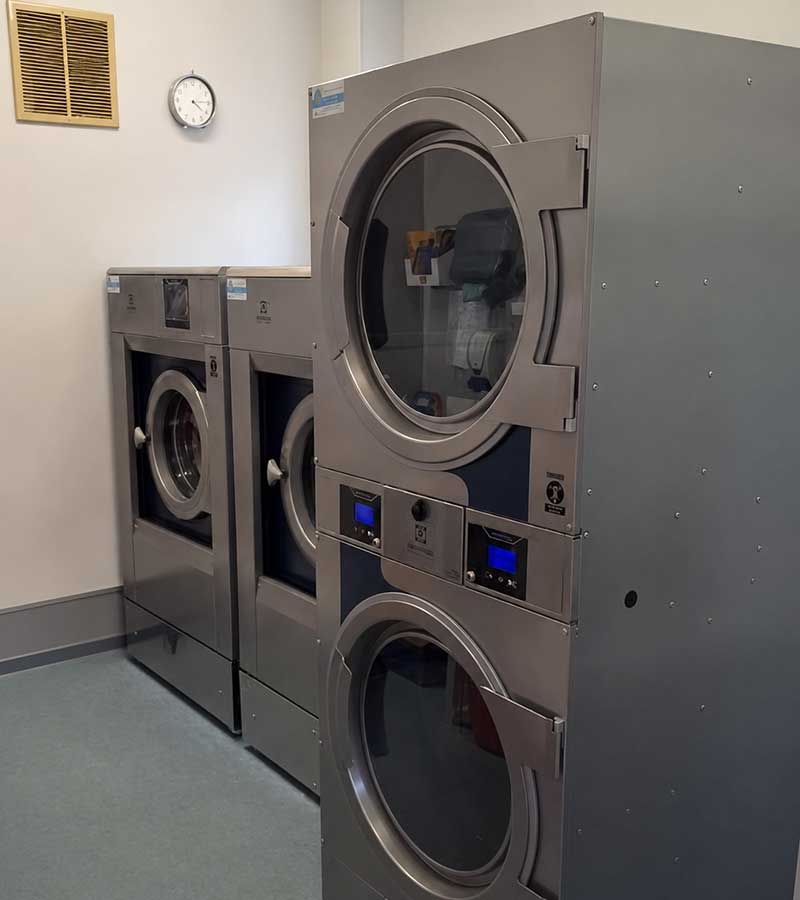
More machines don’t necessarily mean you need more floor space. Some smaller commercial washers and dryers can be stacked, allowing you to fit considerable washing and drying capacity into a relatively small area.
5. Access to the laundry
It’s not just about whether a machine will fit in the laundry room, but whether you can get it there in the first place! Doorways, corridors, stairs and other access restrictions can make installing larger machines difficult or sometimes impossible.
6. Matching your dryers and finishing equipment
Your washers are only part of the process. If you have several washing machines running simultaneously but insufficient drying capacity, the dryers can quickly become a bottleneck. Your tumble dryers, ironers and other finishing equipment need to complement your washing capacity.
7. Future requirements
If you expect your laundry volumes to increase in the future, this could influence the size and number of machines you choose. You might prefer larger machines with some spare capacity, or plan to add more smaller machines as your requirements grow, provided you have the space and services available.
So, which is better?
There’s no single answer that’s right for every commercial laundry. If you’re processing large quantities of similar items, fewer larger machines may be the best solution. But if you need to wash different types of laundry, handle smaller loads or maintain some washing capacity when a machine breaks down, having more machines can offer real advantages.
Space, access, running costs and making sure your dryers can keep up are all important considerations too. The key is choosing the right combination of equipment for how your laundry operates, rather than simply comparing the total kilogram capacity.
At JTM Service, we can help you assess your requirements and choose the right combination of washing machines, tumble dryers and finishing equipment for your needs.
Ben Donaghy, Business Development Manager, JTM Service
