
Many of us will be aware of the fire risks associated with white goods, such as washing machines and tumble dryers. On average there are around 900 fires a year reported from tumble dryers alone in the UK. Mostly, these fires occur in domestic homes and, in many instances, are contained to the machine. Unfortunately, in some situations they have led to catastrophic damage of properties and, occasionally, loss of life.
Although fires in businesses are rarer, the potential risk if a fire does occur is significantly higher. For example, in Care & Nursing Homes and other Care facilities, the risk is increased due to the size of the Home and the number of residents.
Causes of fire in commercial laundries
If a fire does occur in the laundry, this presents a serious risk to property and life. The main causes of fire in the on-premise laundry are:
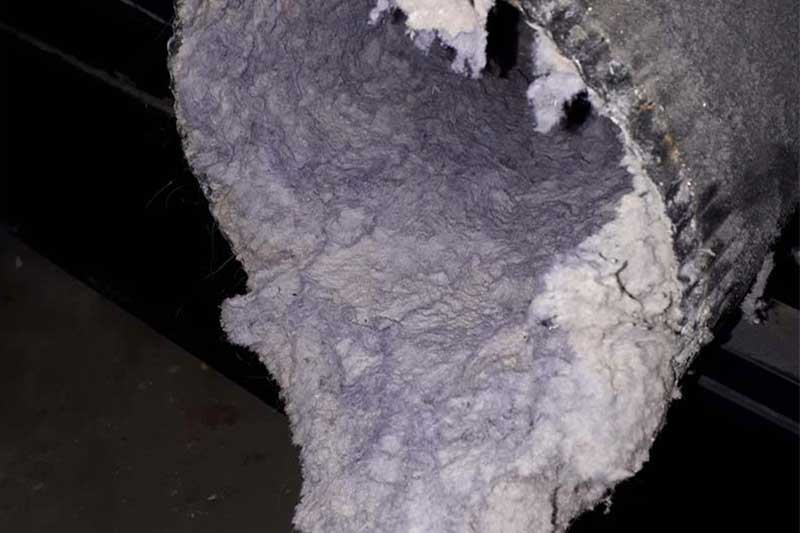
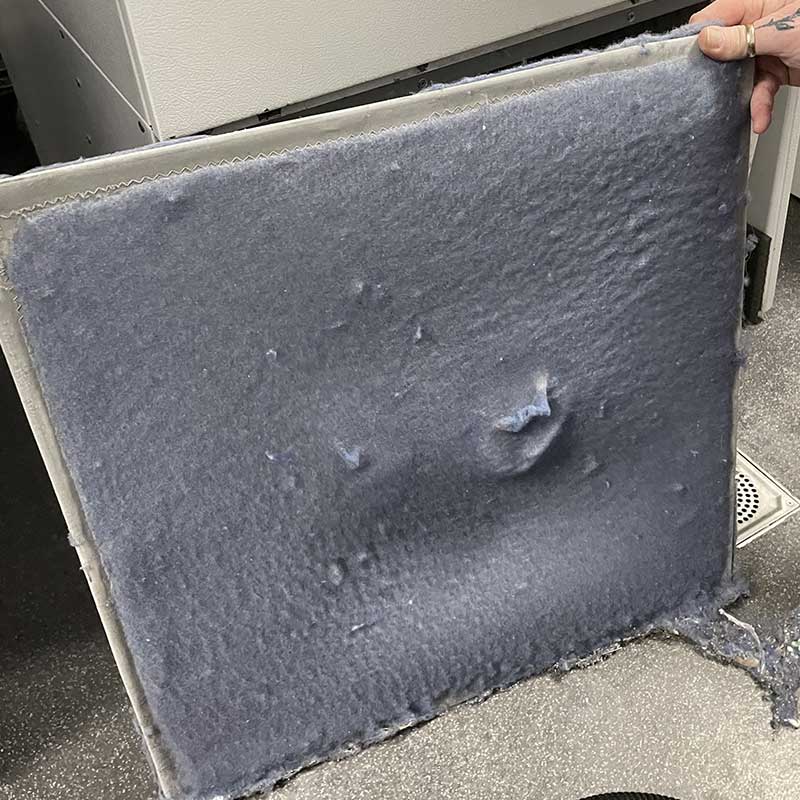
- Lint build-up – fabric fibres shed during drying can accumulate inside the dryer and within exhaust vents. Lint is highly flammable and, when exposed to heat, can ignite and cause a fire.
- Oil contamination – if laundry such as uniforms, cleaning cloths or towels goes into the dryer with oils remaining on them, this presents a significant fire risk.
- Spontaneous combustion – when laundry is stacked or piled while still hot, the materials can continue to heat and then ignite, especially if oils remain present.
- Electrical faults – high-powered equipment with electrical malfunctions, combined with flammable materials like lint and oils, creates a risk of fire.
Practical steps to reduce laundry fire risk
To help you reduce these risks, we have listed 5 simple top tips below.
- Complete the full cool-down cycle: Dryers should have a built-in cool down cycle, this allows the heat within the laundry to dissipate safely. Always allow the tumble dryer to complete its full cool-down cycle, and do not open the door before it finishes. If the warm items are removed and folded or piled before this, there is a risk of spontaneous combustion for several hours after.
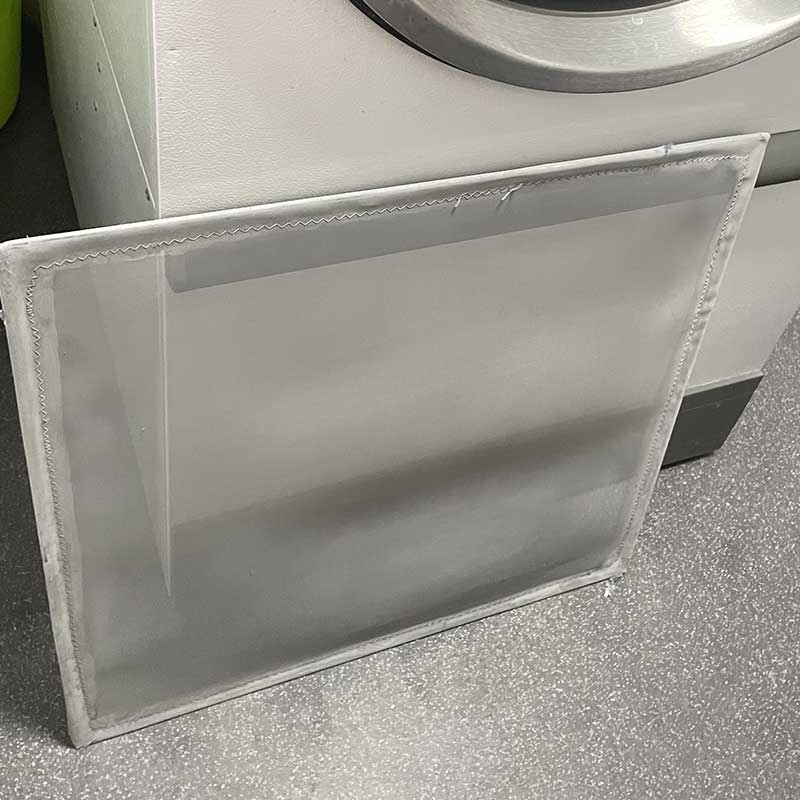
- Clean the filter after every use: Tumble dryers have either single or multiple lint filters. Lint build-up is a major cause of fire, and filters should be cleaned after every cycle. If you have a condenser or heat-pump dryer, you may also have fine particle filters that look like sponges or grills that need regular cleaning or replacement. Always refer to the manufacturer’s instructions or speak to your service provider for maintenance guidance.
- Remove oils or chemicals before drying: Fabrics soiled with oils or chemicals, such as aprons, overalls, towels and cleaning cloths, require extra care. These items should be washed using the highest temperature programmes and suitable chemicals, such as laundry emulsifiers, to break down residues. If any residue remains when the items are added to the dryer, they risk igniting and causing a fire. Ideally these items should be air dried, but if they are to be tumble dried, inspect them beforehand to make sure no oil remains. And never leave the dryer unattended.
- Keep exhaust vents clean: Lint builds up in areas which are not visible, such as inside your exhaust vents. When combined with the heat expelled through the vent, it can lead to combustion. Exhaust vents should be cleaned at least annually, and they should be inspected regularly and cleaned more often if required, either by your on-site maintenance team or by your laundry equipment service provider.
- Maintain your machines: Regular servicing keeps your machines operating safely and efficiently. Regular preventative maintenance visits from your laundry service provider, such as an annual service, will remove lint build-up inside the machine and check for electrical faults. For gas tumble dryers, an Annual Gas Safety Inspection is also required. This must be carried out by a Gas Safe certified engineer, with certification specifically for commercial laundry equipment.
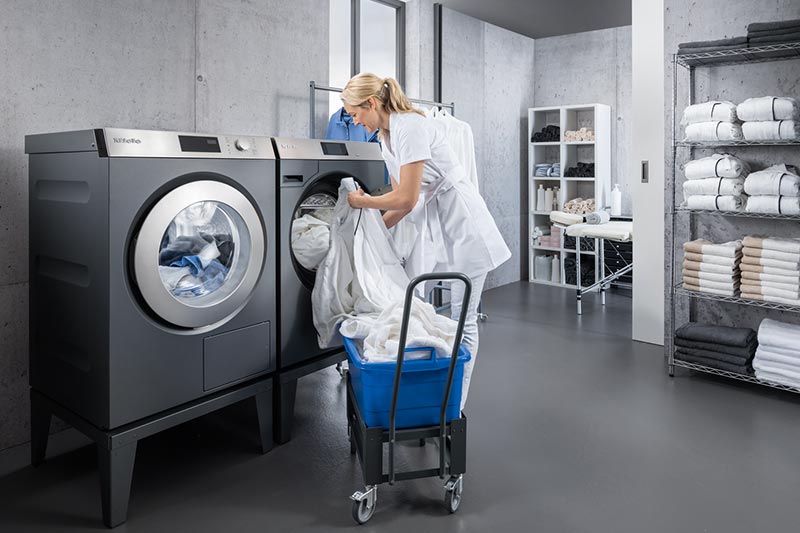
Reducing the risk of fire in an on-premise laundry is vital to protect people and property. These five top tips are designed to support safer laundry operation. We have summarised these in a free, downloadable poster. To download your copy, click JTM Service – 5 Top Tips To Reduce Fire Risk In The Laundry.
JTM Service supports on-premise laundries across Care, Housing, Hospitality, and other commercial sectors, providing servicing, maintenance, and safety inspections and guidance. For more information or advice, or to discuss how JTM Service can help, please contact us on 0113 2572221 or info@jtmservice.co.uk.